Articles
Content That Matters
Reading as a Competence of the Future. Official Launch of Liverpool Year of Reading 2026 at Central Library
Author/Editor Maria Anna Furman
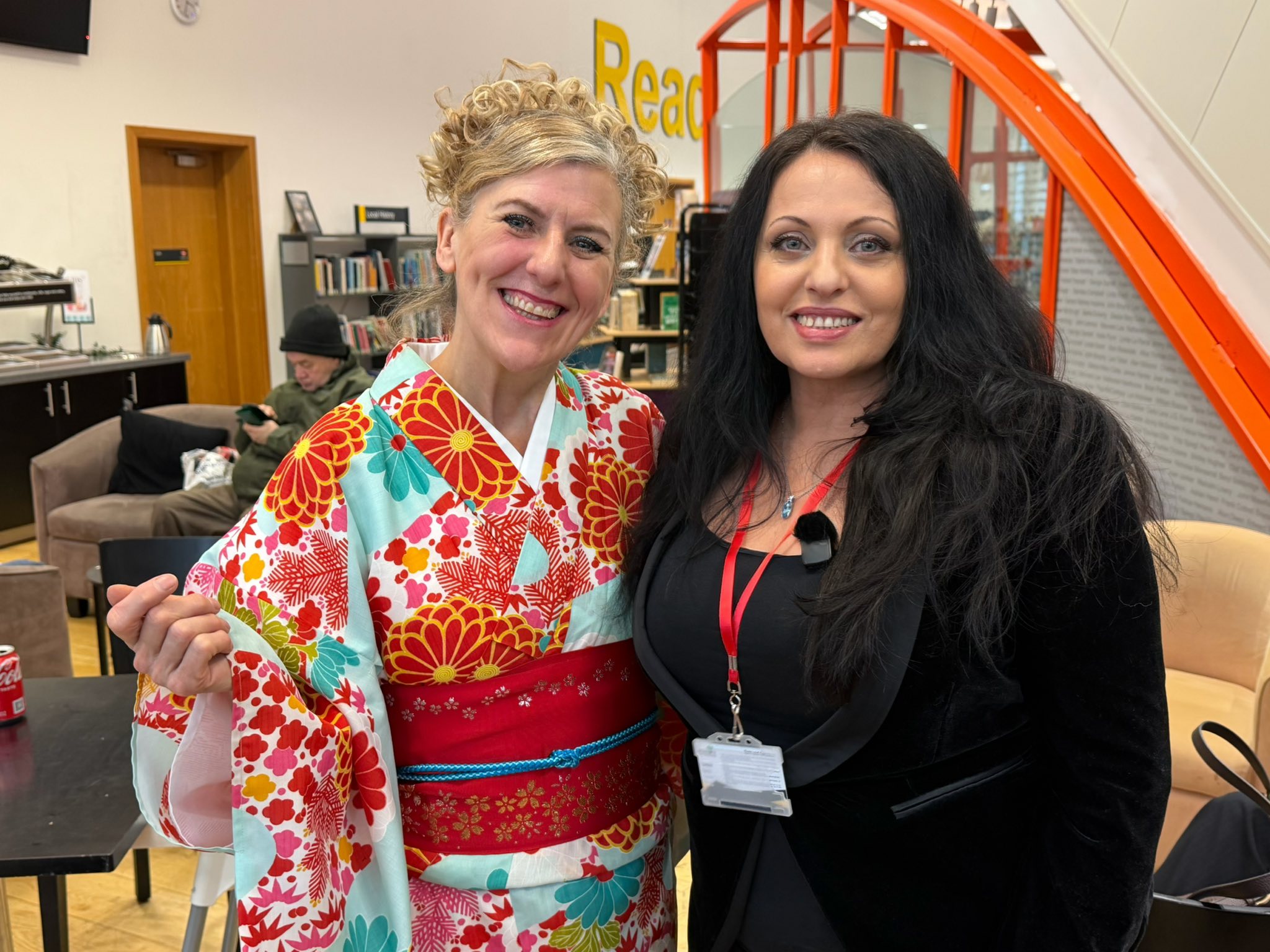
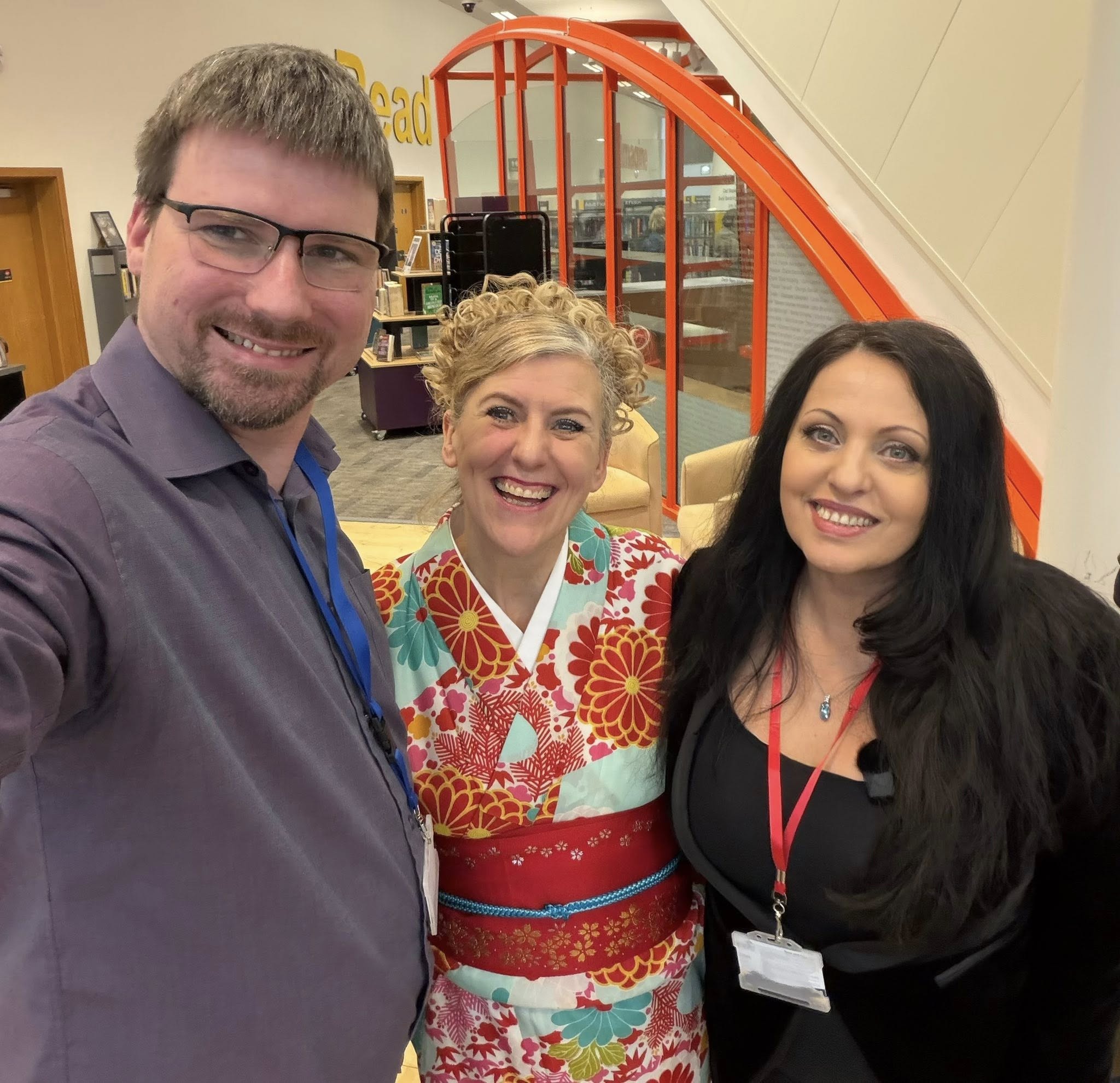
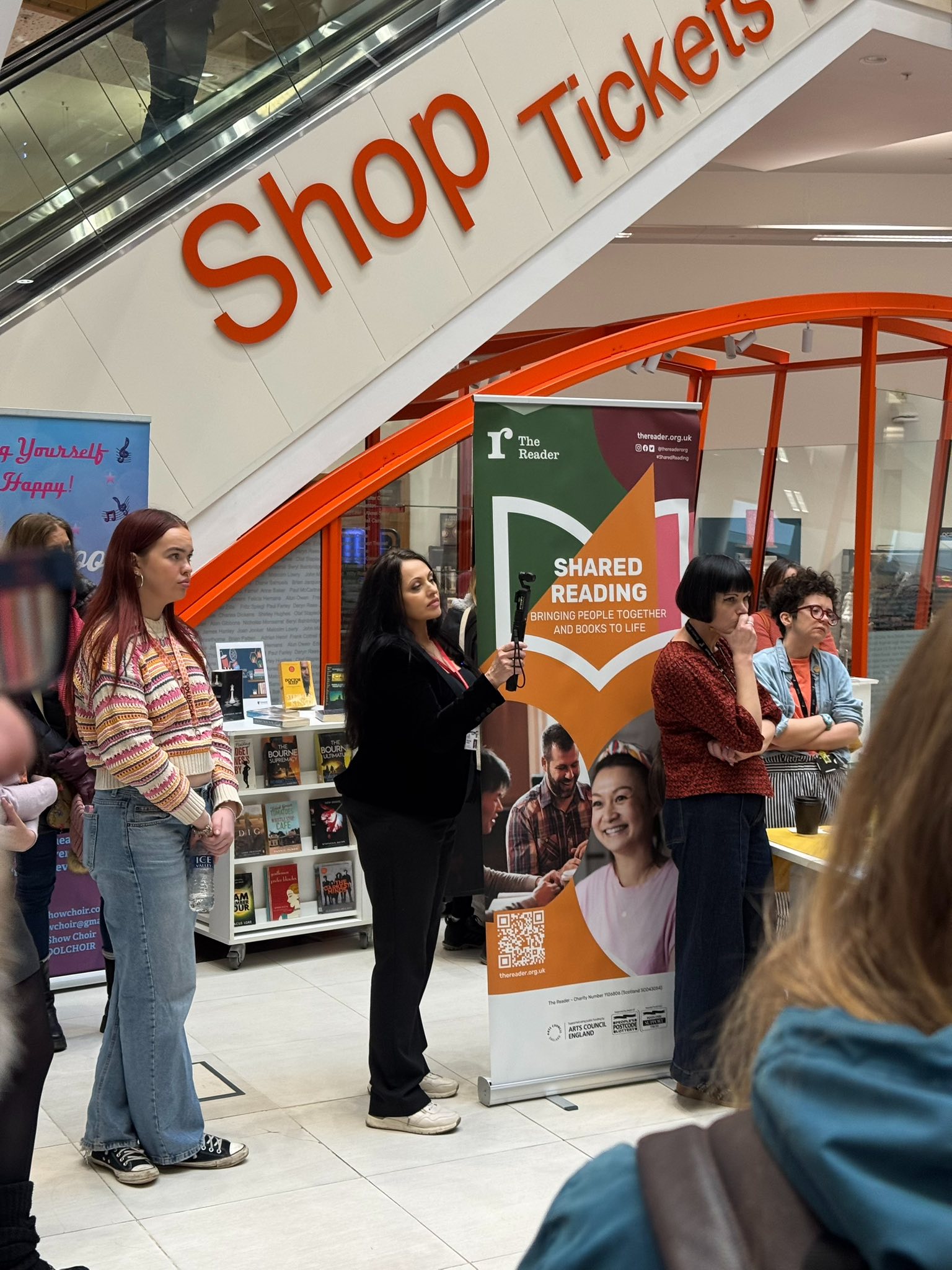
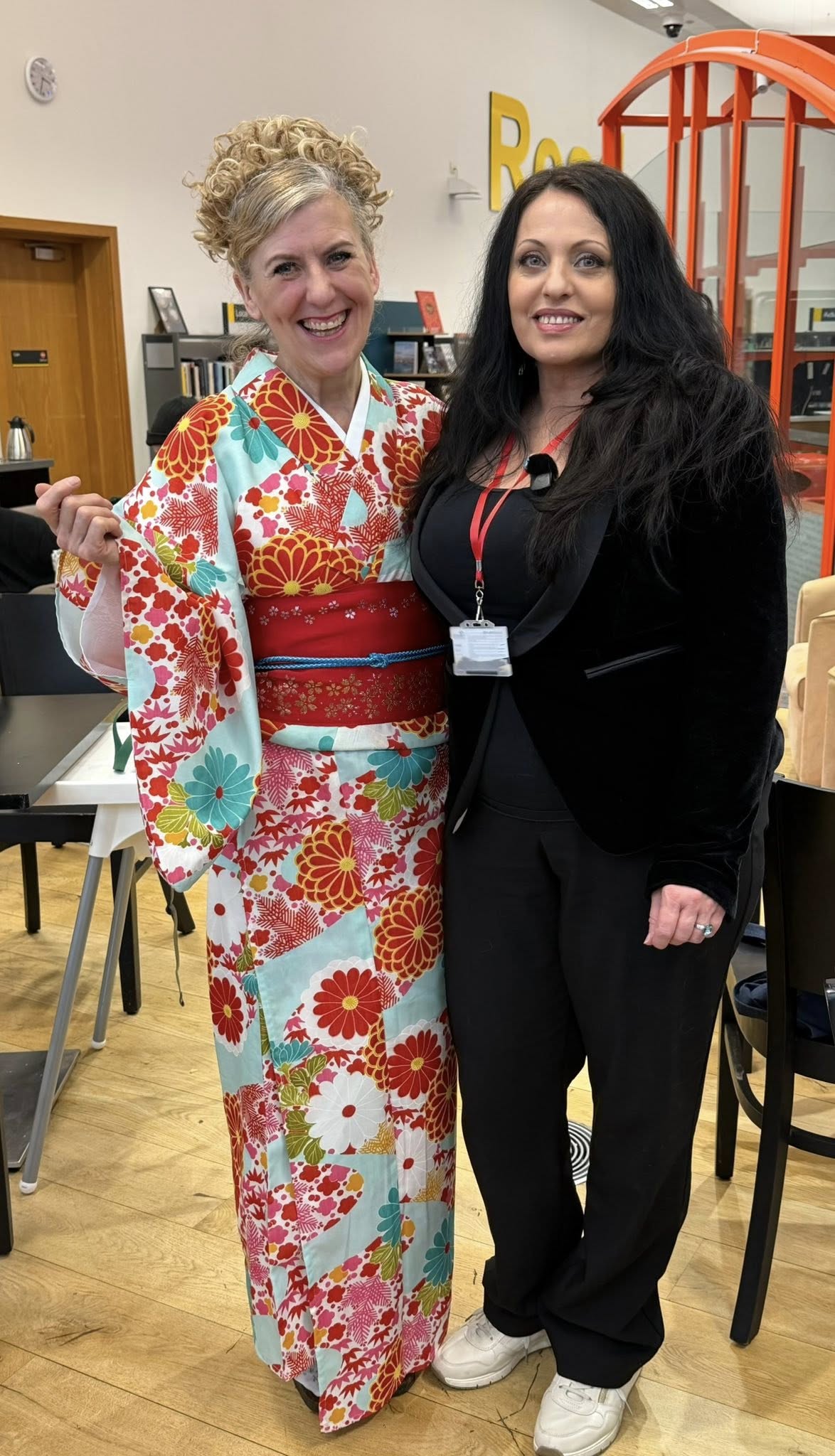
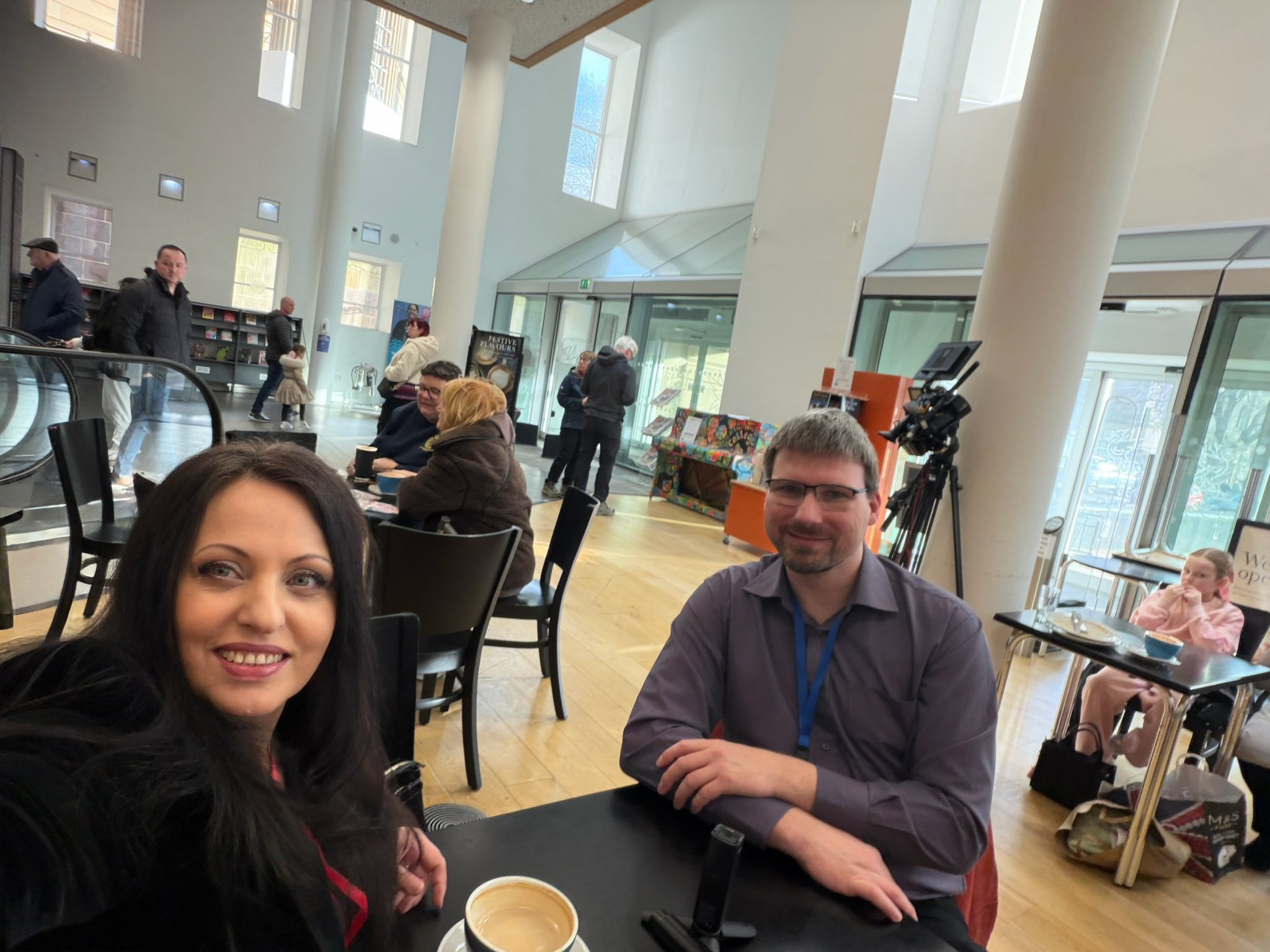
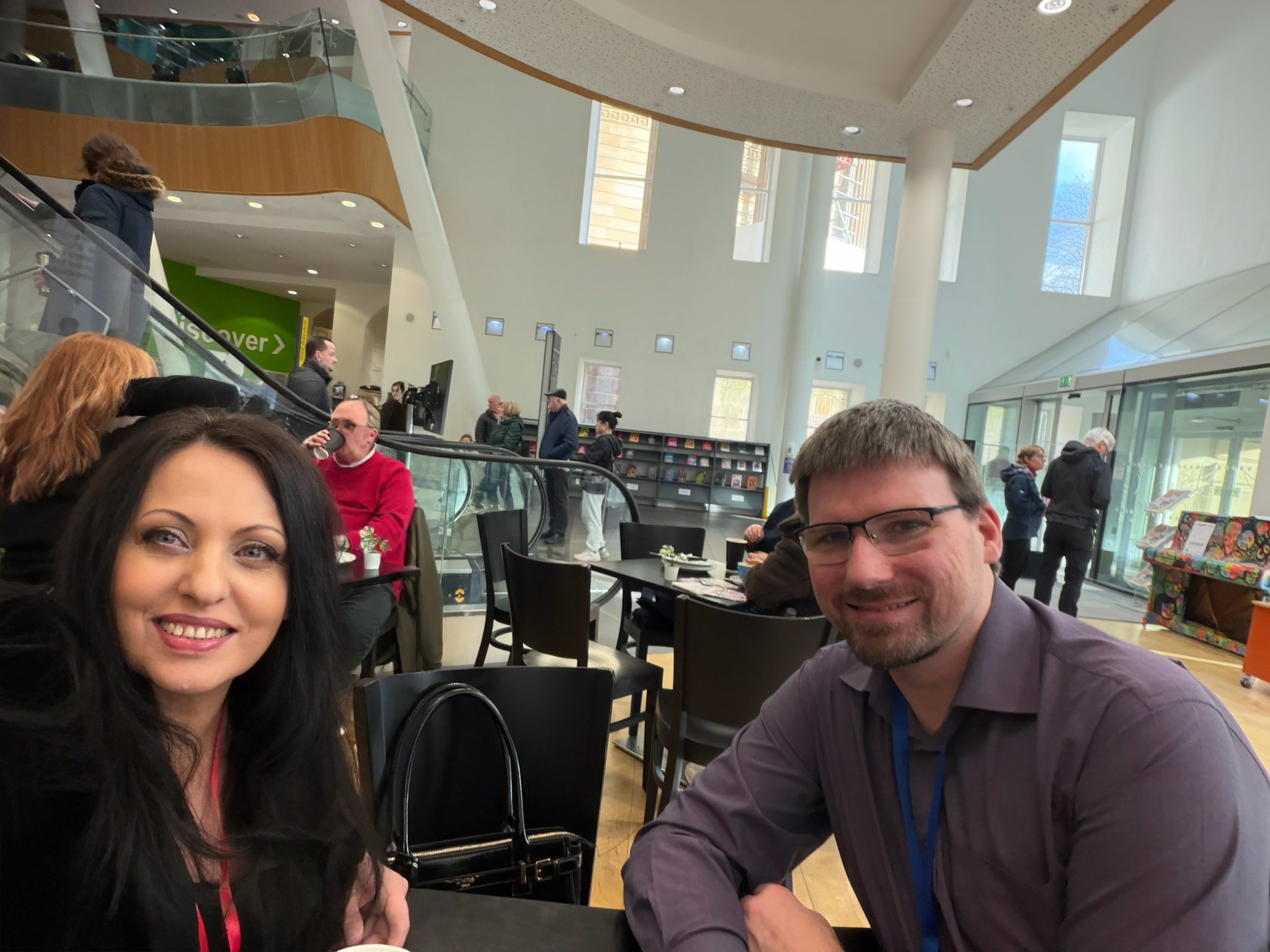
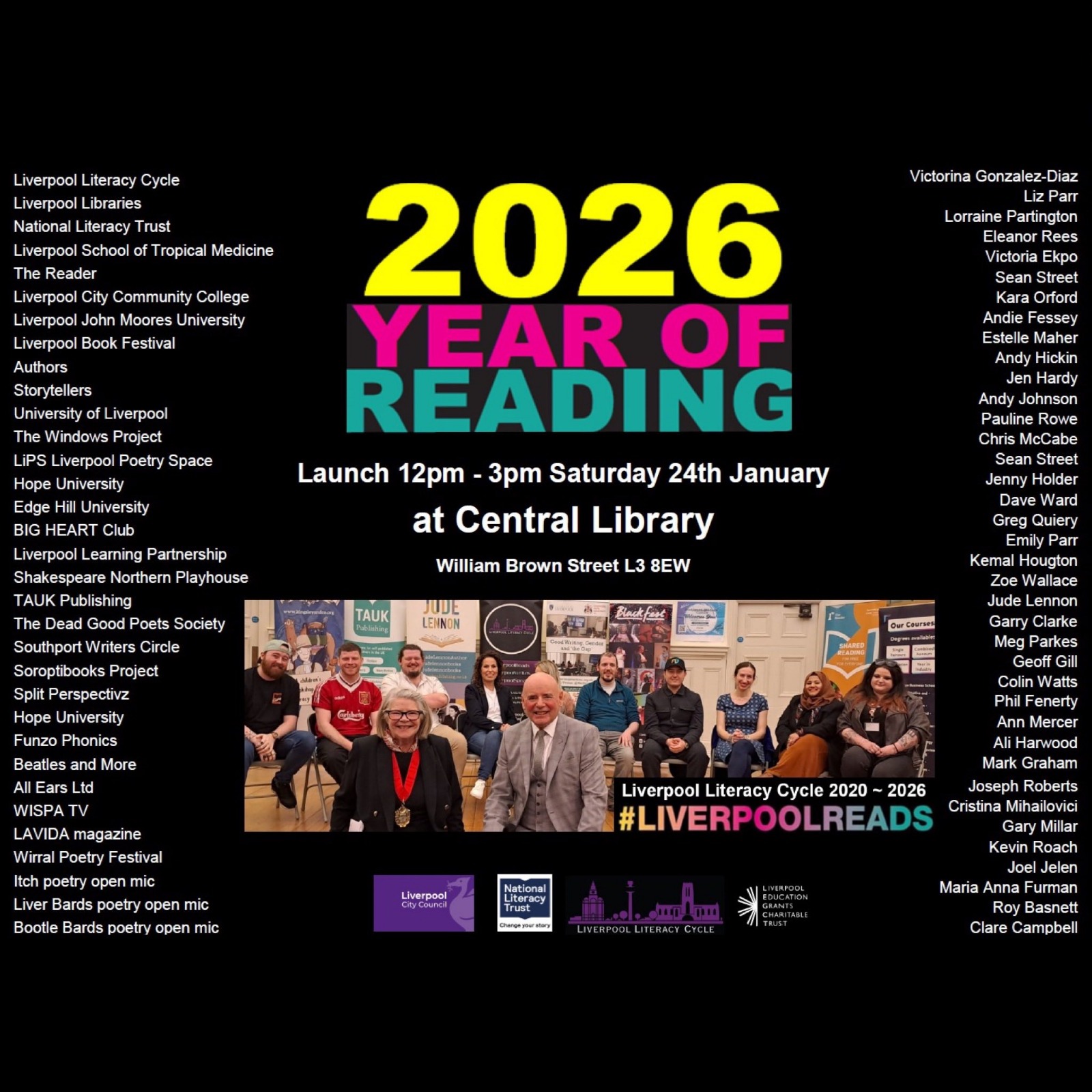
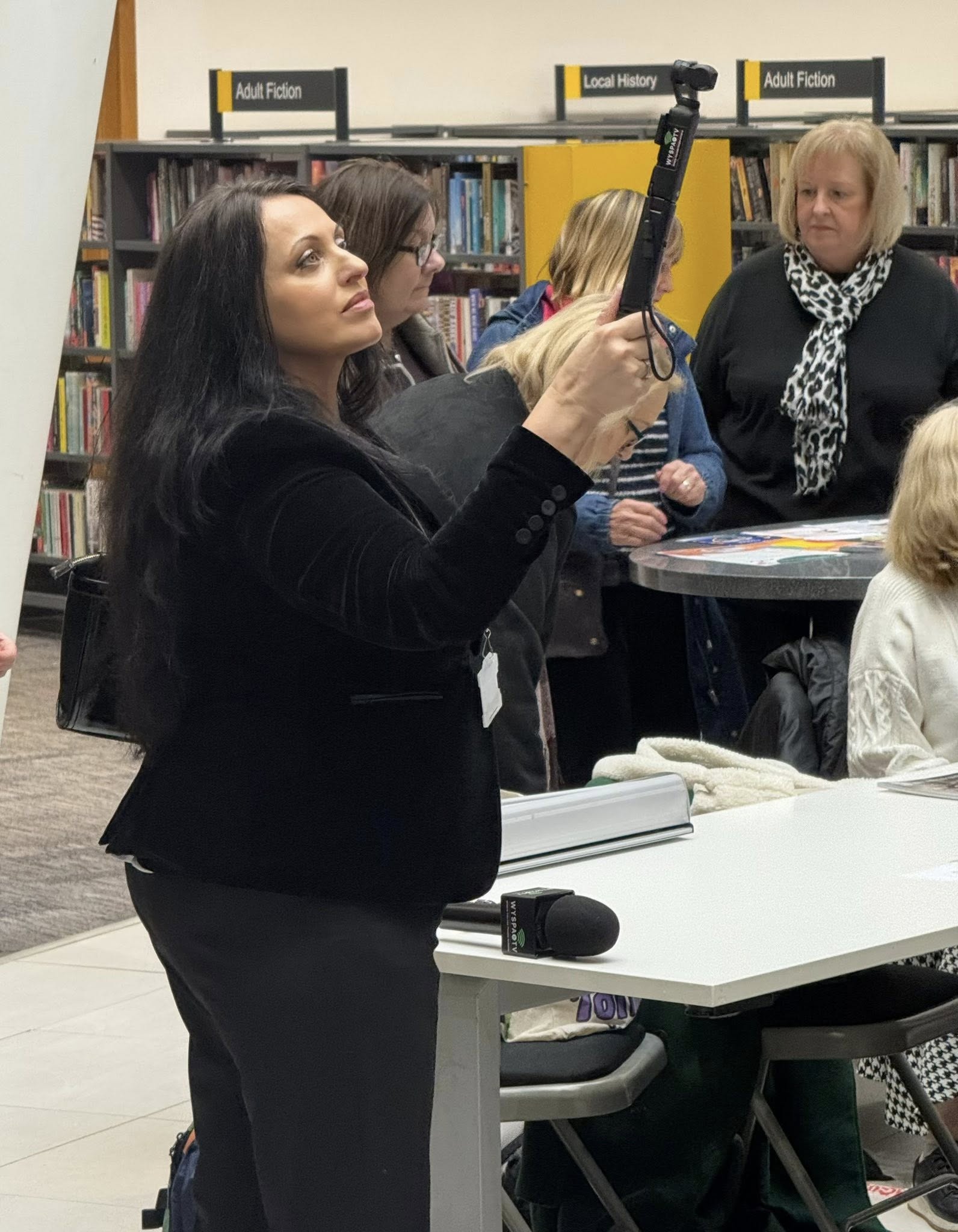
On 24 January 2026, Liverpool Central Library became a space not only for storing books, but also a living place where words, stories and human presence resonated in a shared rhythm. It was here that Liverpool Year of Reading 2026 was officially launched.
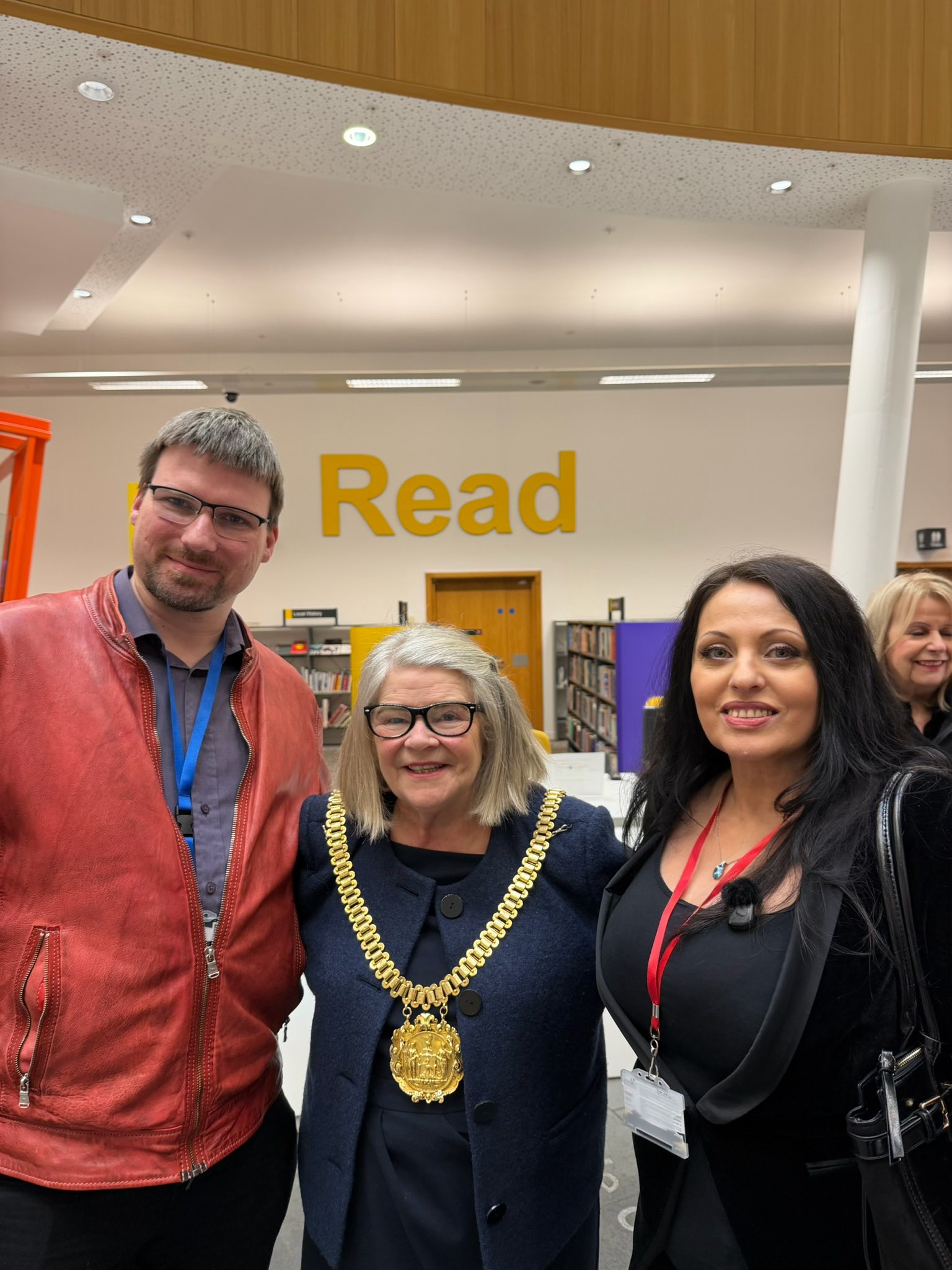
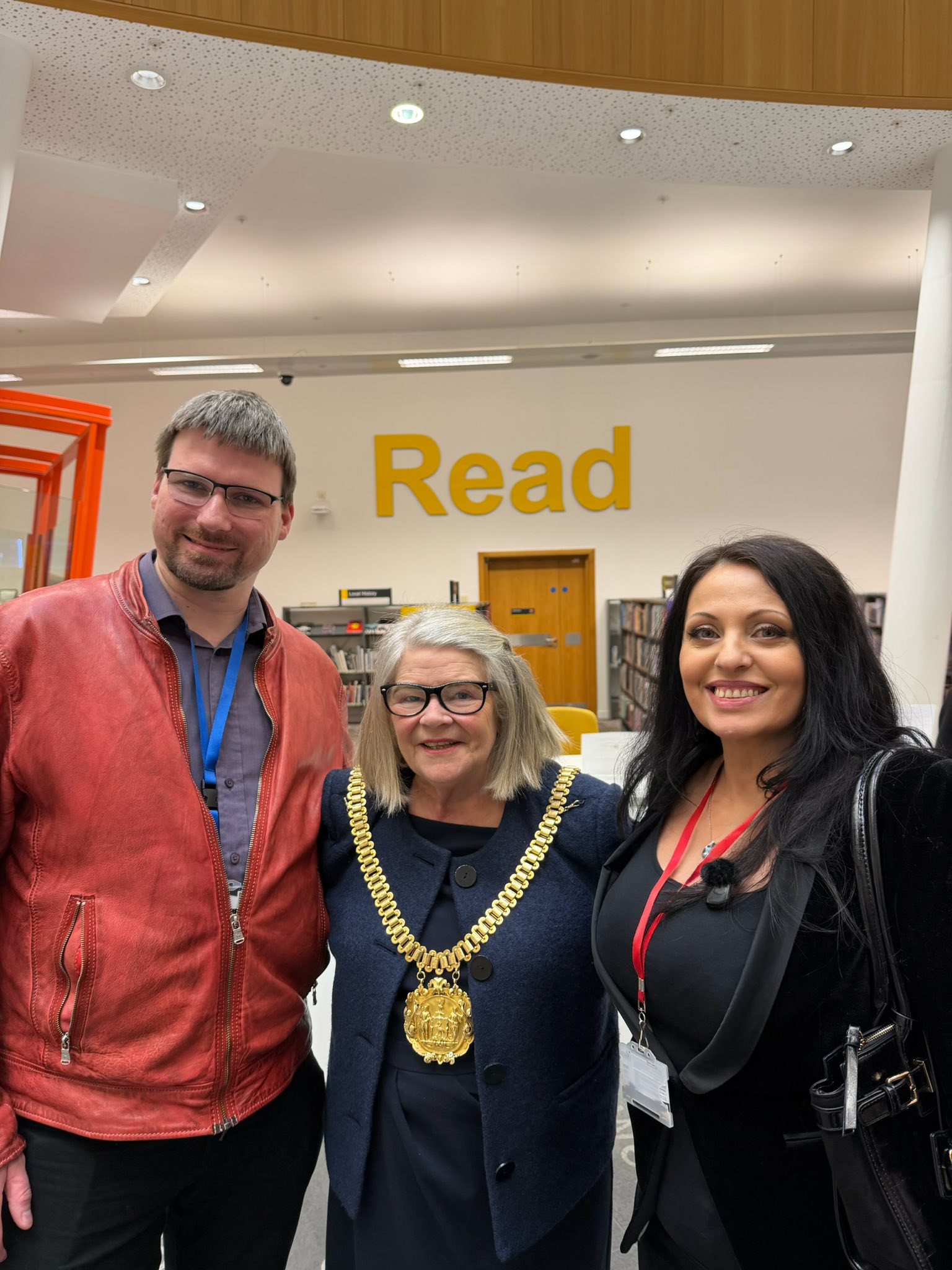
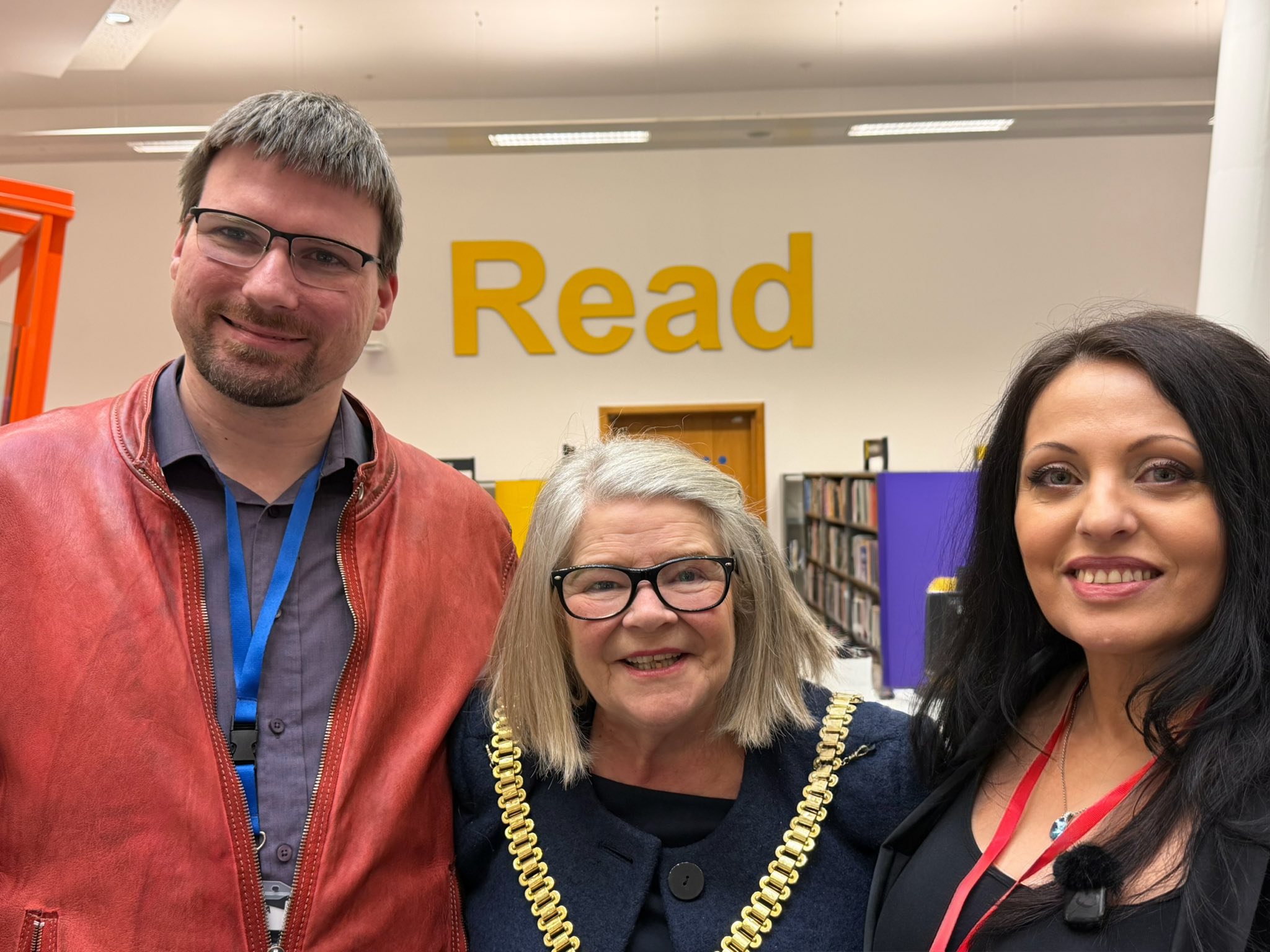
It was an event of social, educational and symbolic significance. The official opening was led by the Lord Mayor of Liverpool, Cllr Barbara Murray, who, in her address, set a tone of attentiveness and responsibility. She spoke of reading not as a privilege, but as a competence that genuinely affects quality of life, access to employment, education and independence.
At the centre of this narrative was a fact rarely spoken about openly: Liverpool, like many large cities, faces low levels of reading interest among some sections of its adult population. The Year of Reading is intended as a response to this challenge and as a long-term action, rooted in a cycle encompassing reading, writing and the spoken word. It is not a one-off initiative, but part of a broader strategy implemented consistently over many years.
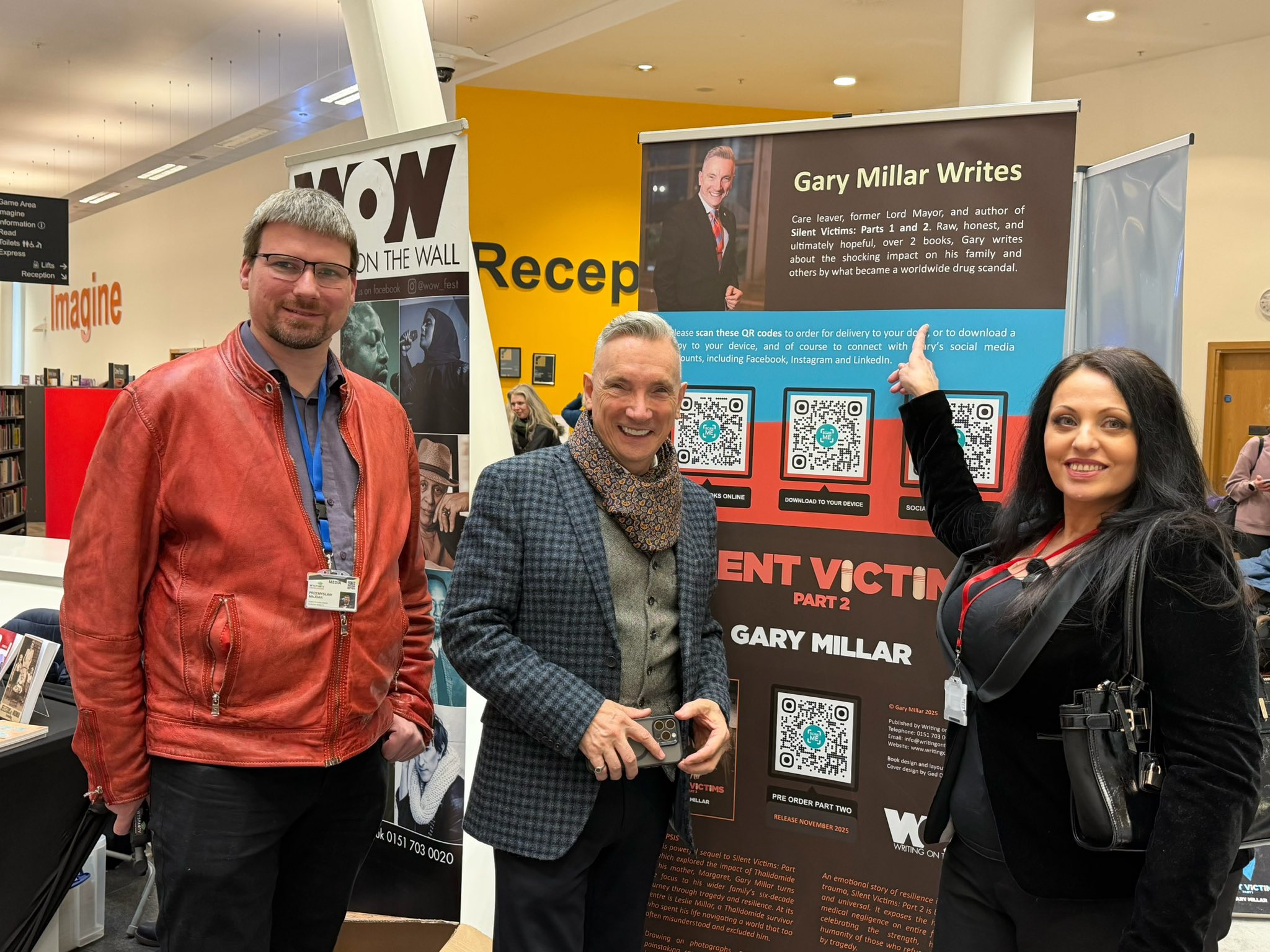
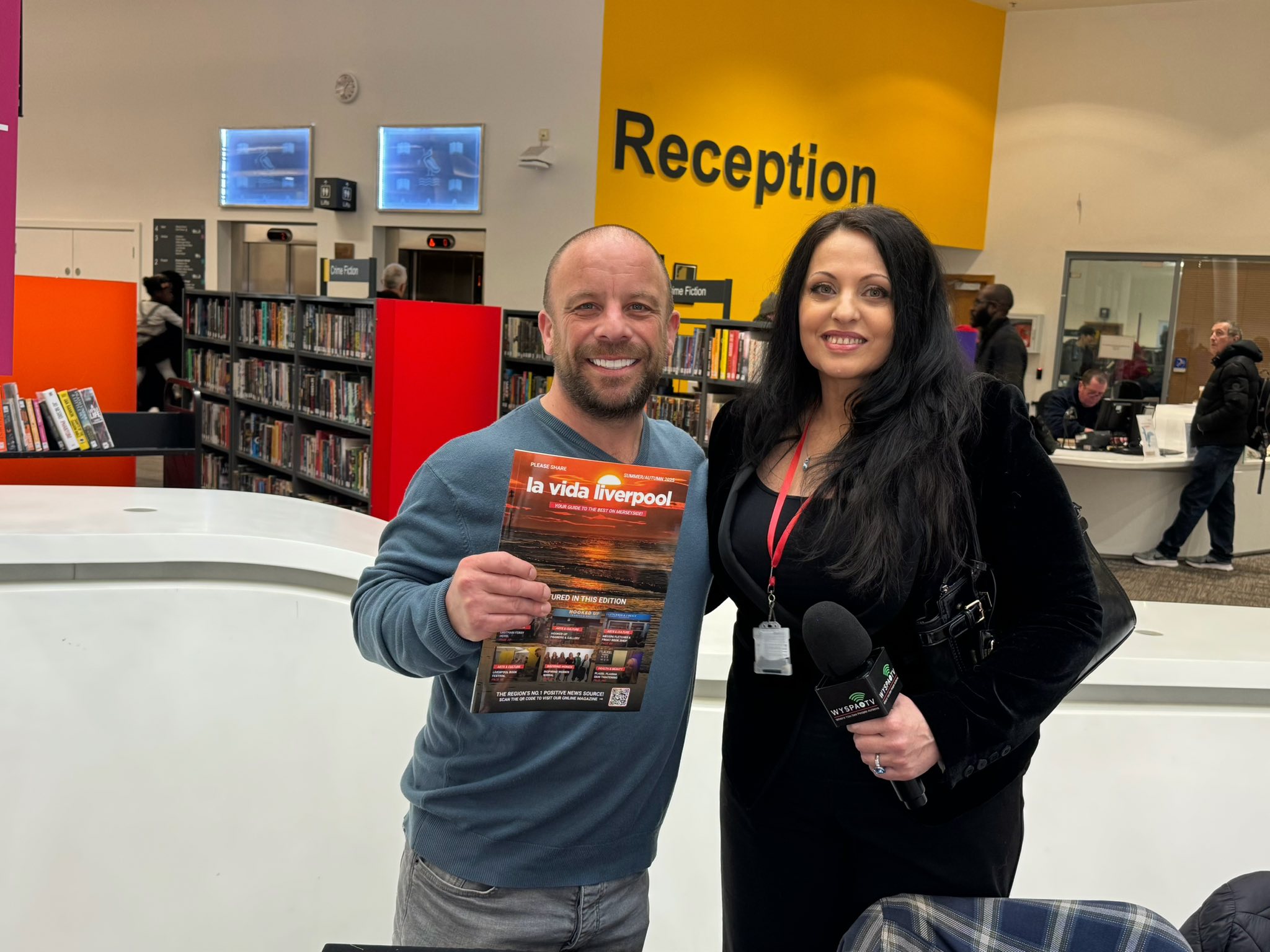
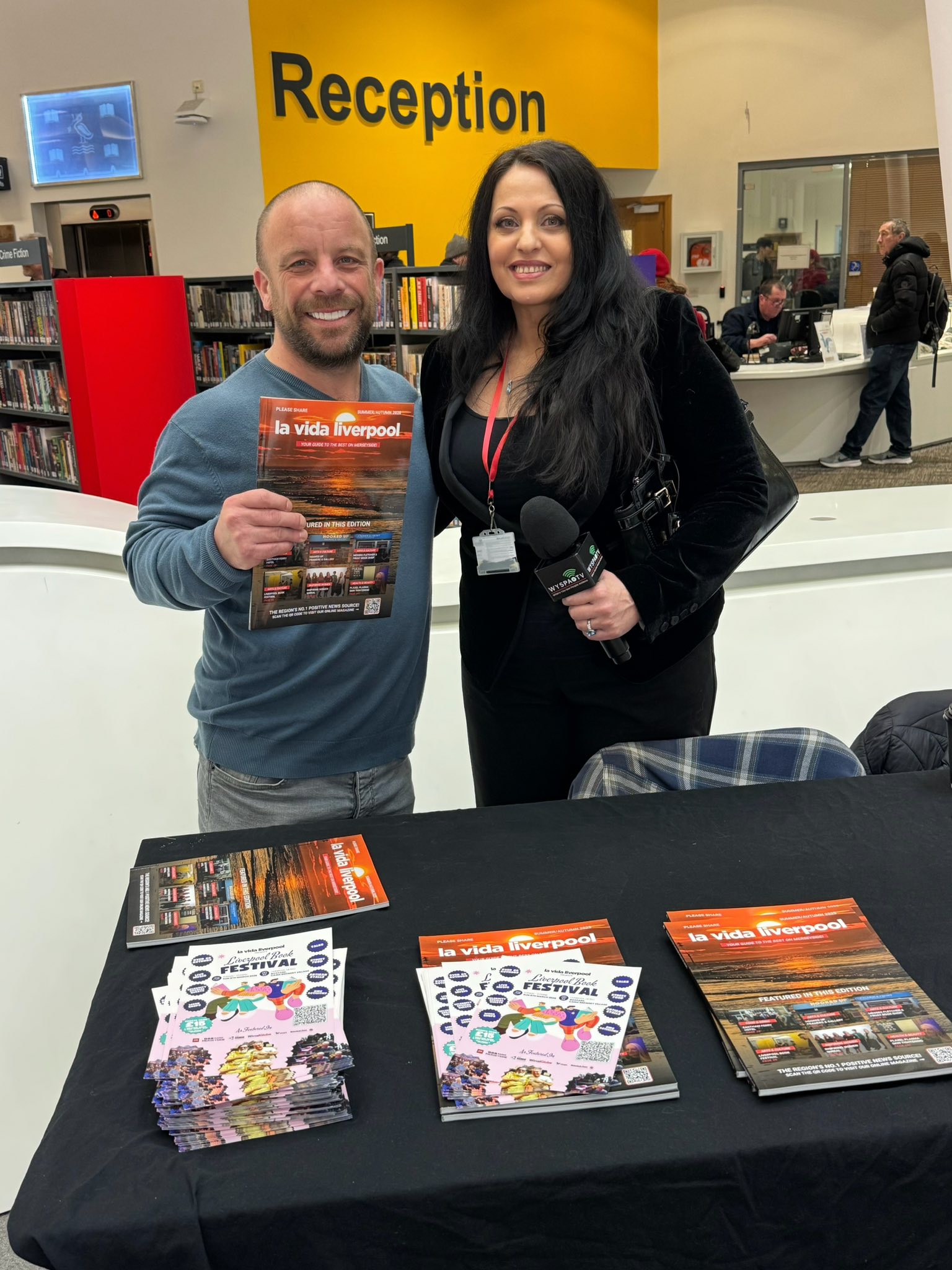
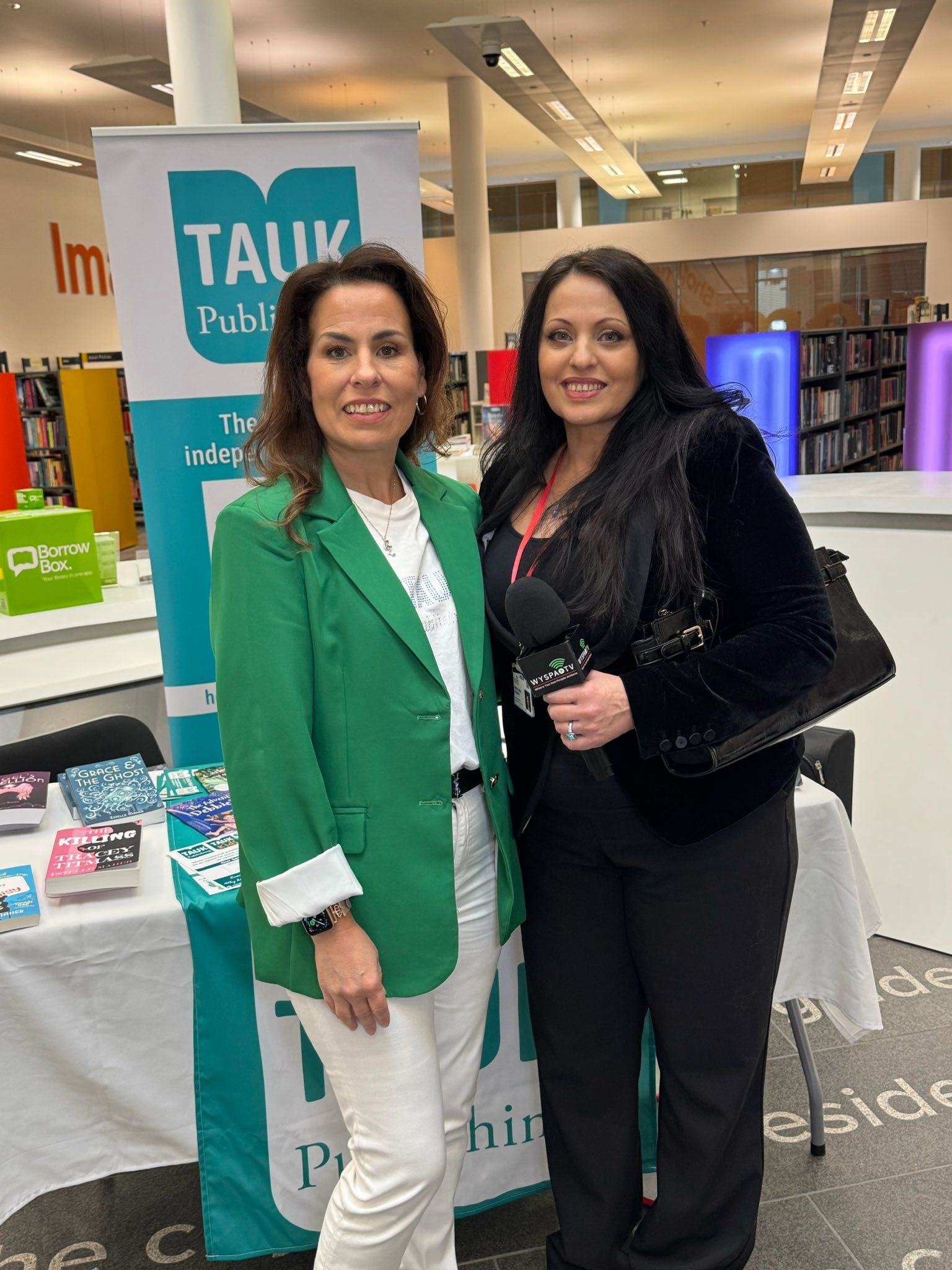
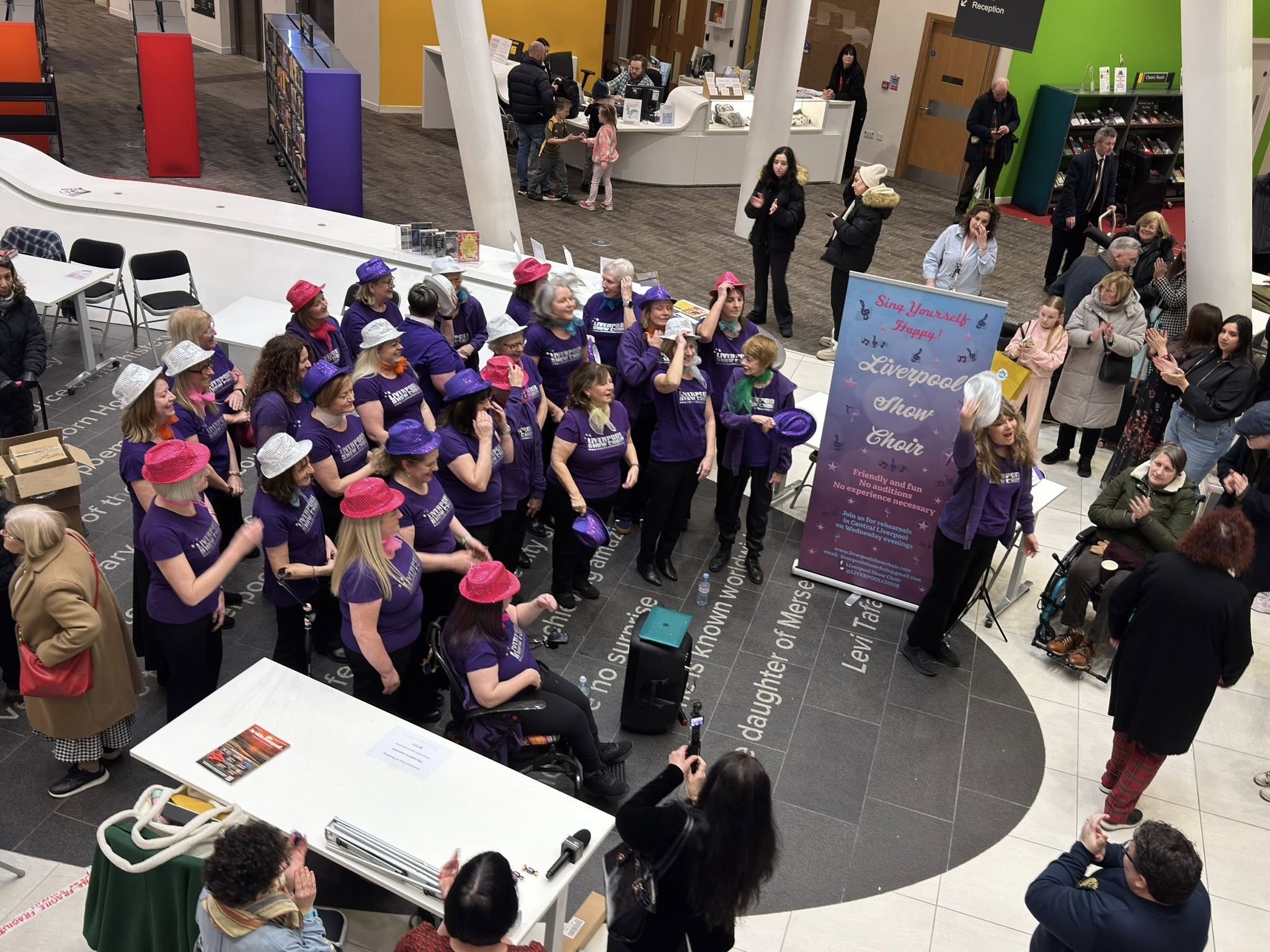
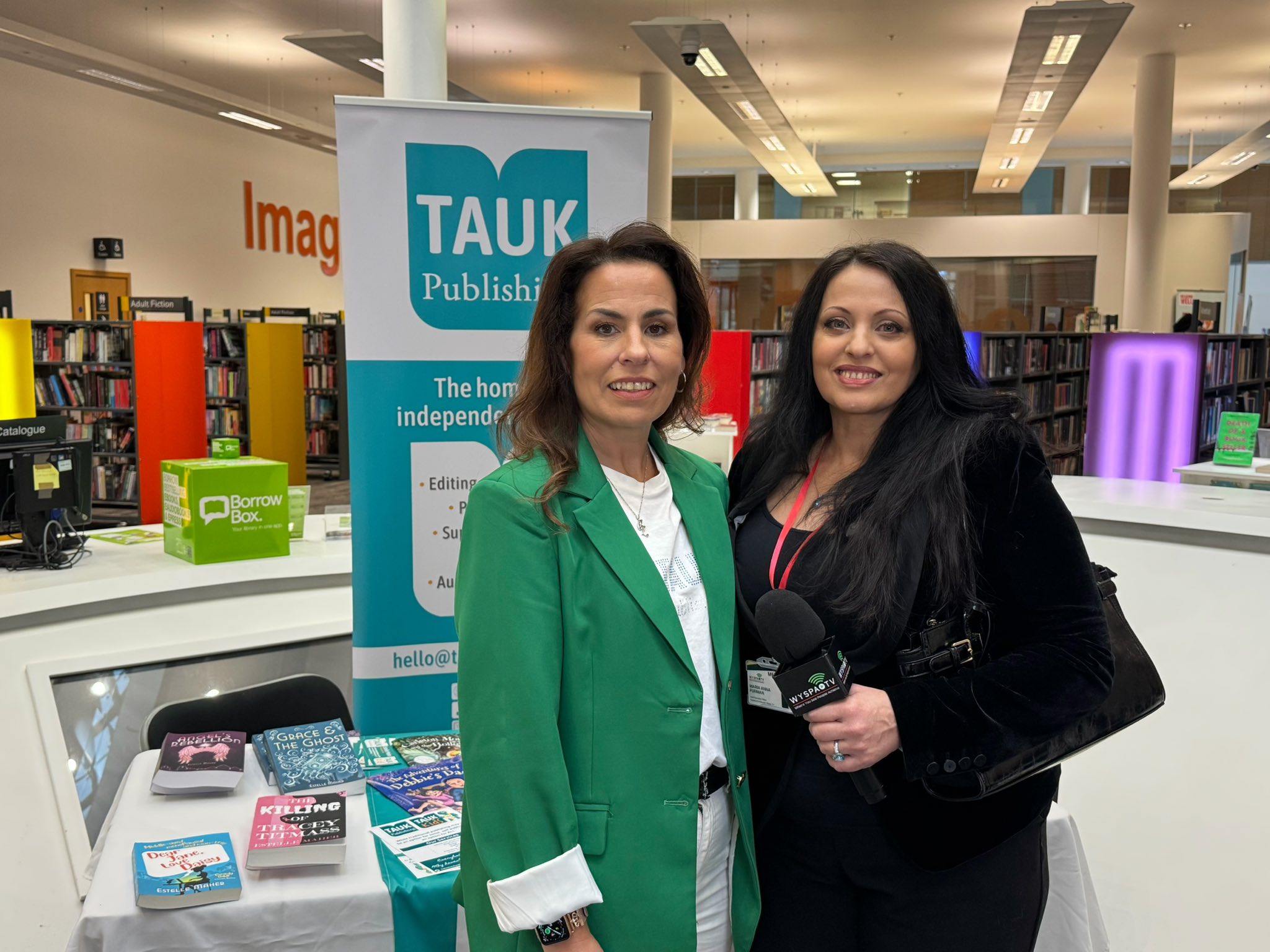
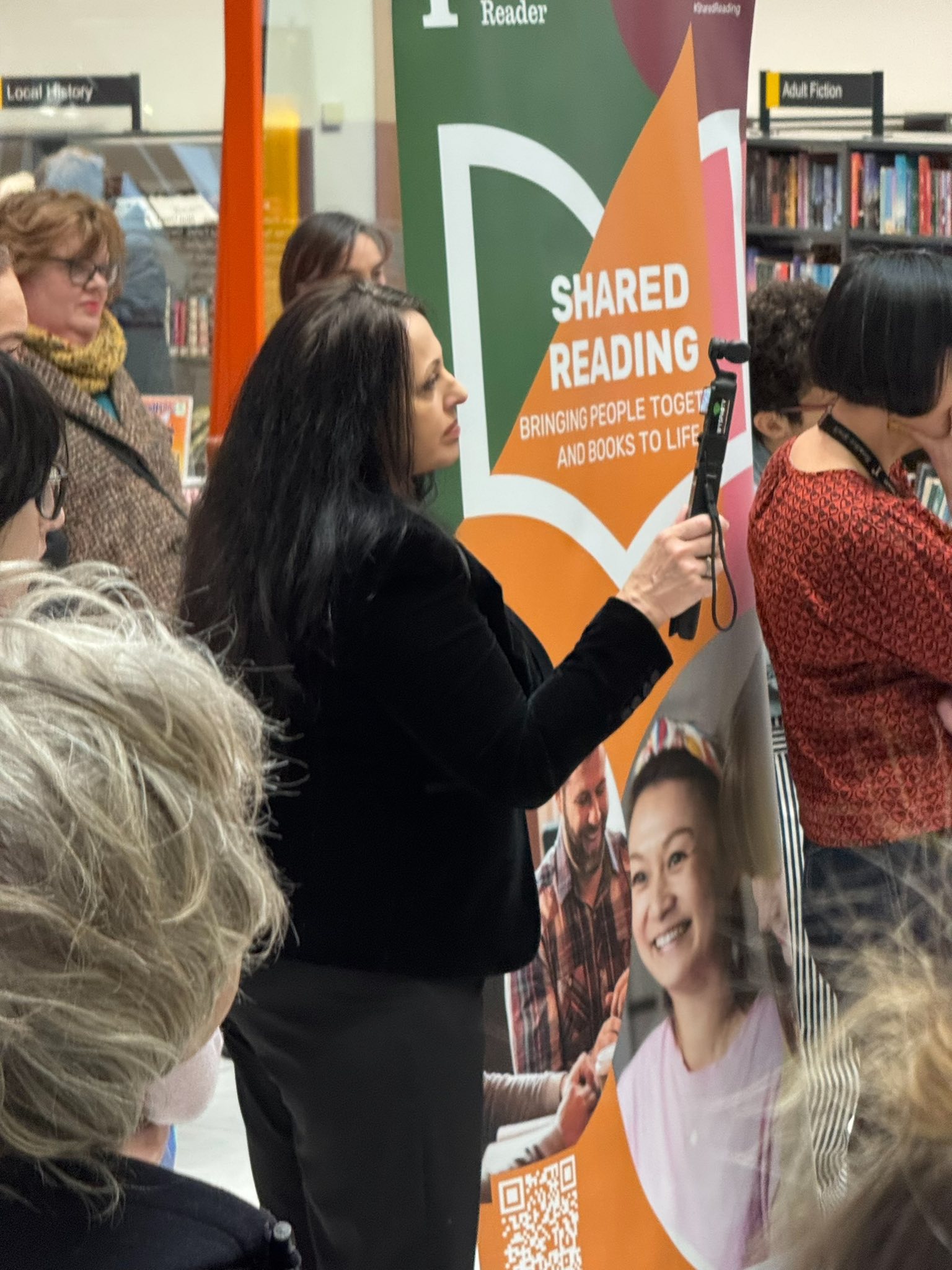
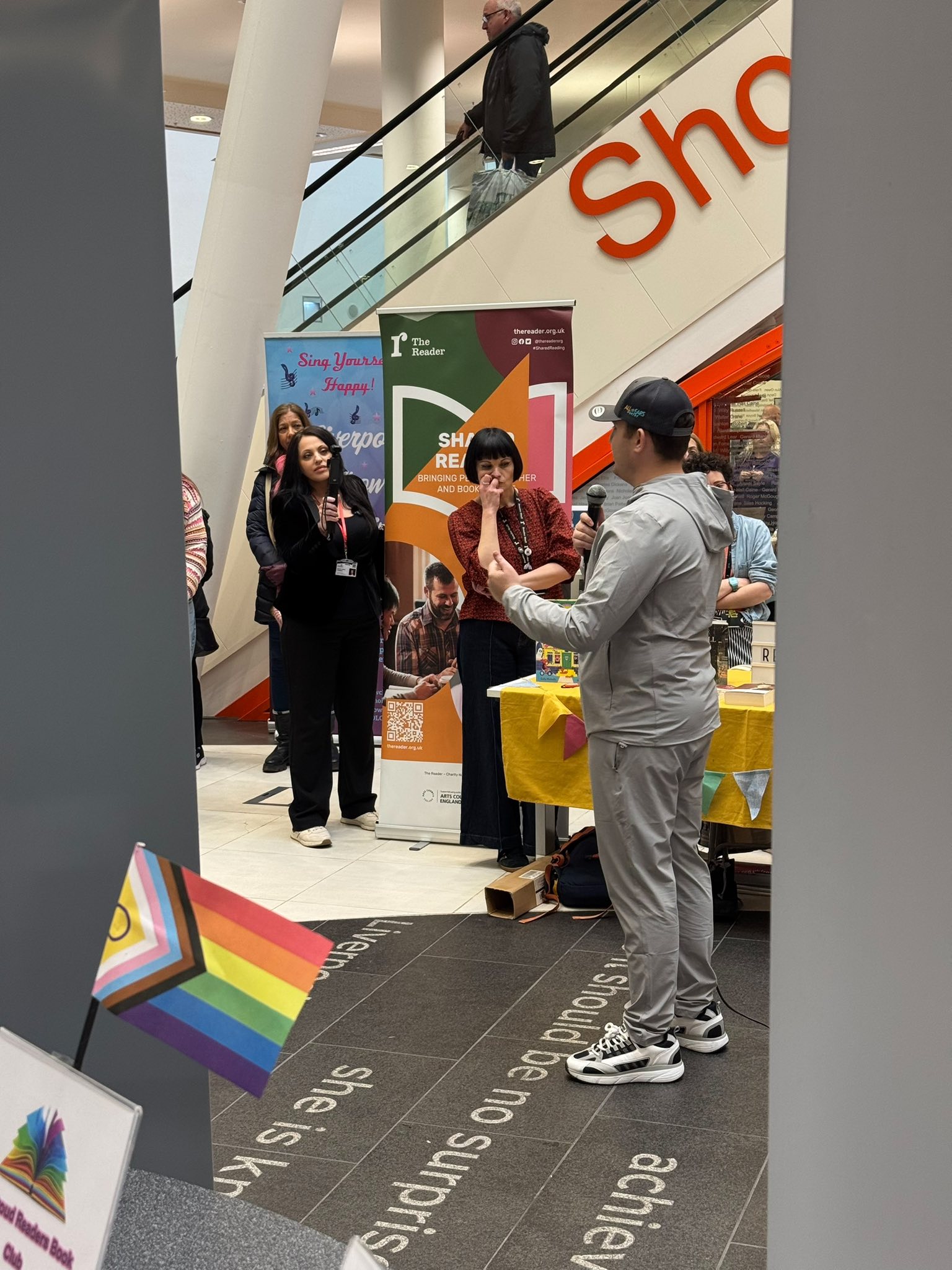
On that day, the library was alive on every level. Each floor had its own rhythm and purpose. In the children’s areas, storytelling sessions and workshops took place, where literature became the first language of imagination. In the auditoriums, poetry, music, and spoken-word performances filled the space. Authors and publishers engaged in conversations with readers about the creative process, the courage to publish, and the need to tell one’s own stories. Words were present in many forms, read, spoken, sung and performed.
The event also carried a national dimension. Liverpool Year of Reading 2026 forms part of the National Year of Reading, delivered in collaboration with the National Literacy Trust and supported by government funding. This means that a local initiative becomes part of a wider movement, whose impact will be measured not only by attendance figures, but by real change: in reading habits, educational outcomes and access to skills.
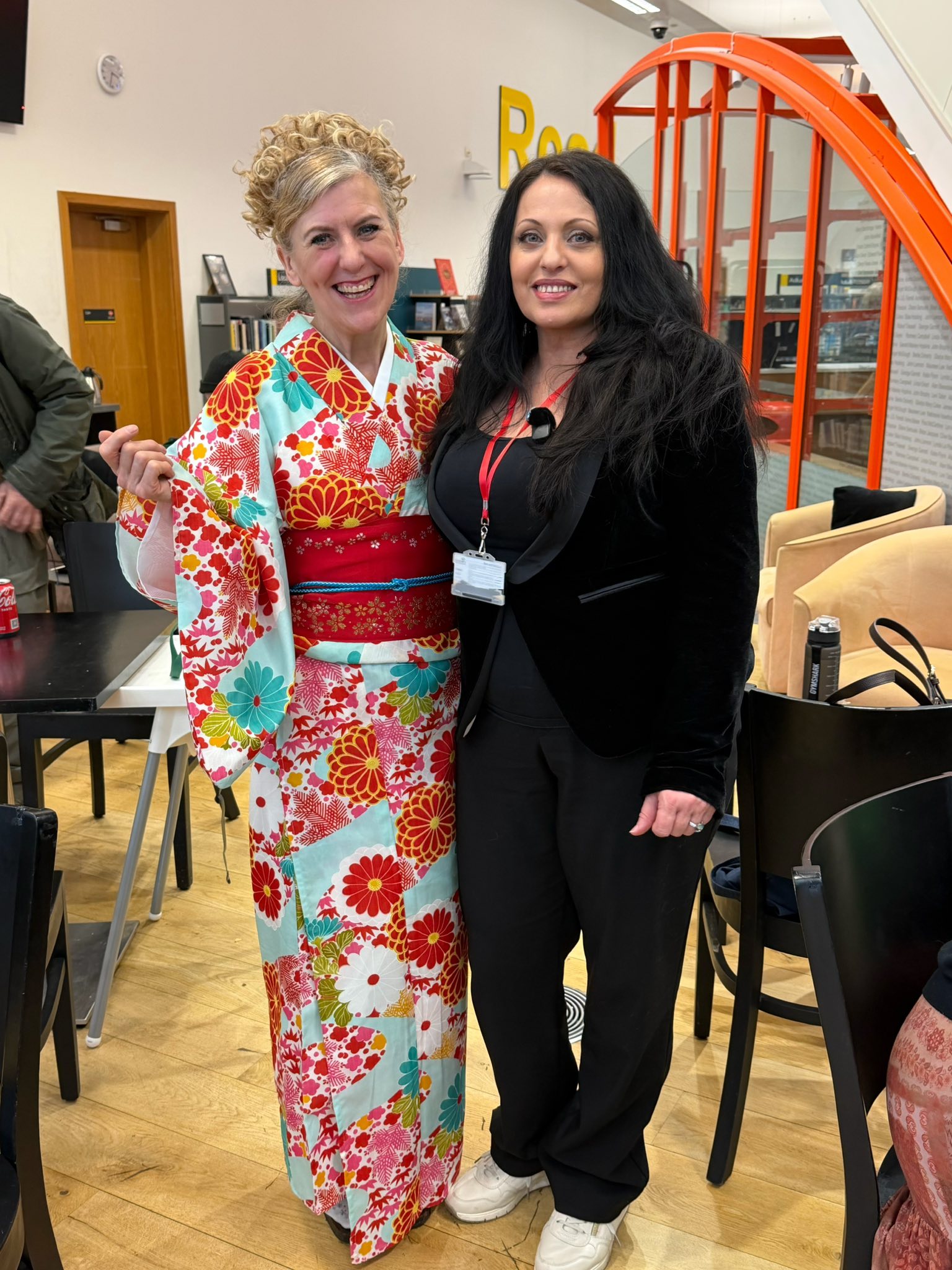
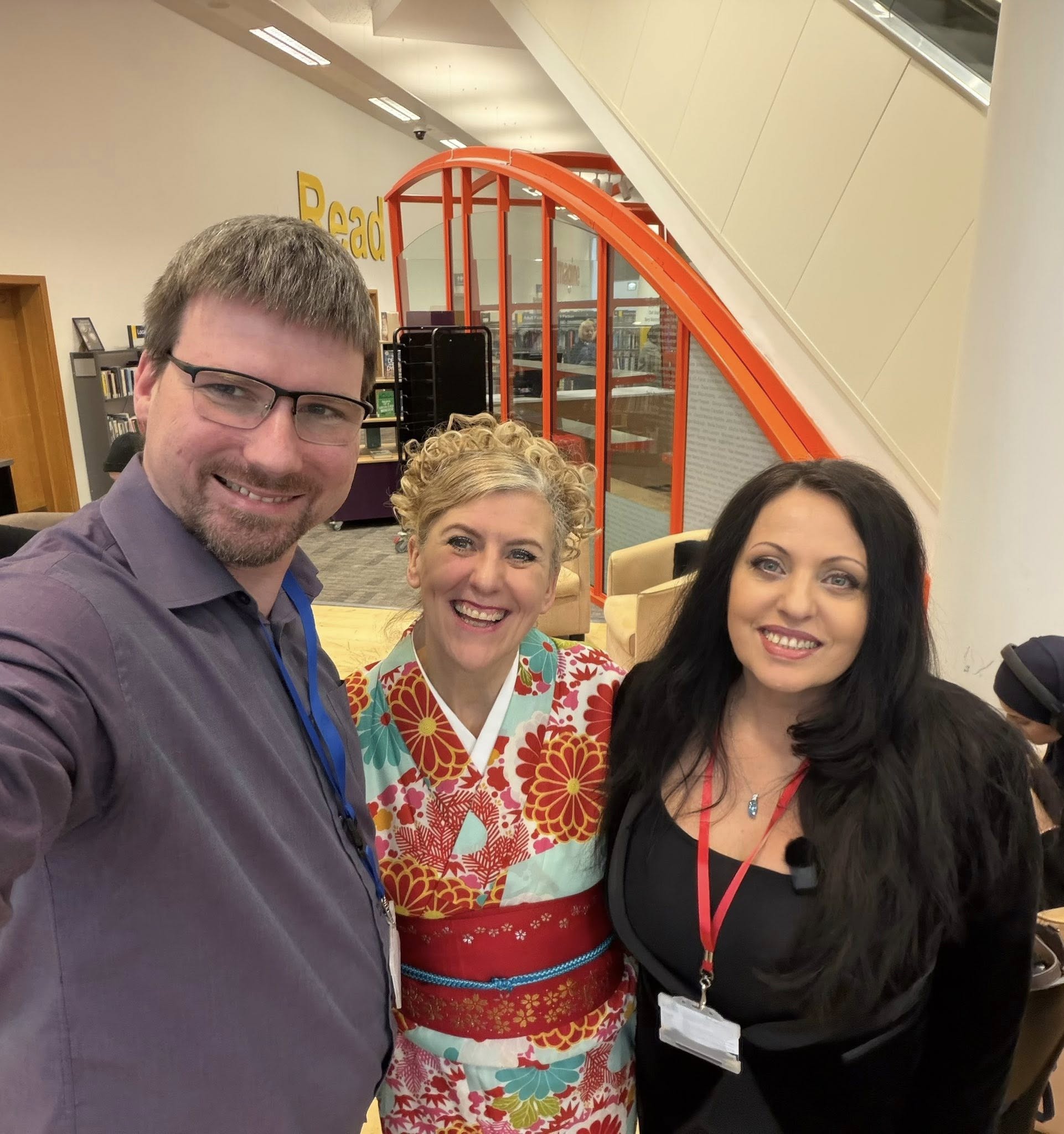
Yet the most important moments happened outside the programme's official points. In conversations, spontaneous reactions, and encounters between people from different backgrounds, languages and cultures. Liverpool, a city where more than one hundred languages are spoken, revealed its most inclusive face that day. Reading ceased to be an individual act and became a shared experience.
As the event drew to a close, one thought lingered above it all: words have power. They can exclude or unite. They can create fear or offer hope. In a world overwhelmed by information, the responsibility of storytellers, authors, teachers, artists and the media becomes crucial.
Liverpool Year of Reading 2026, therefore, did not begin as a campaign. It began as a declaration: that the city believes in culture, in education and in people. And the library, for one day and long beyond it, became the place where that belief was spoken aloud.
Author/Editor Maria Anna Furman